Where the Night Still Works: A Field Guide to America's Last True 24-Hour Institutions
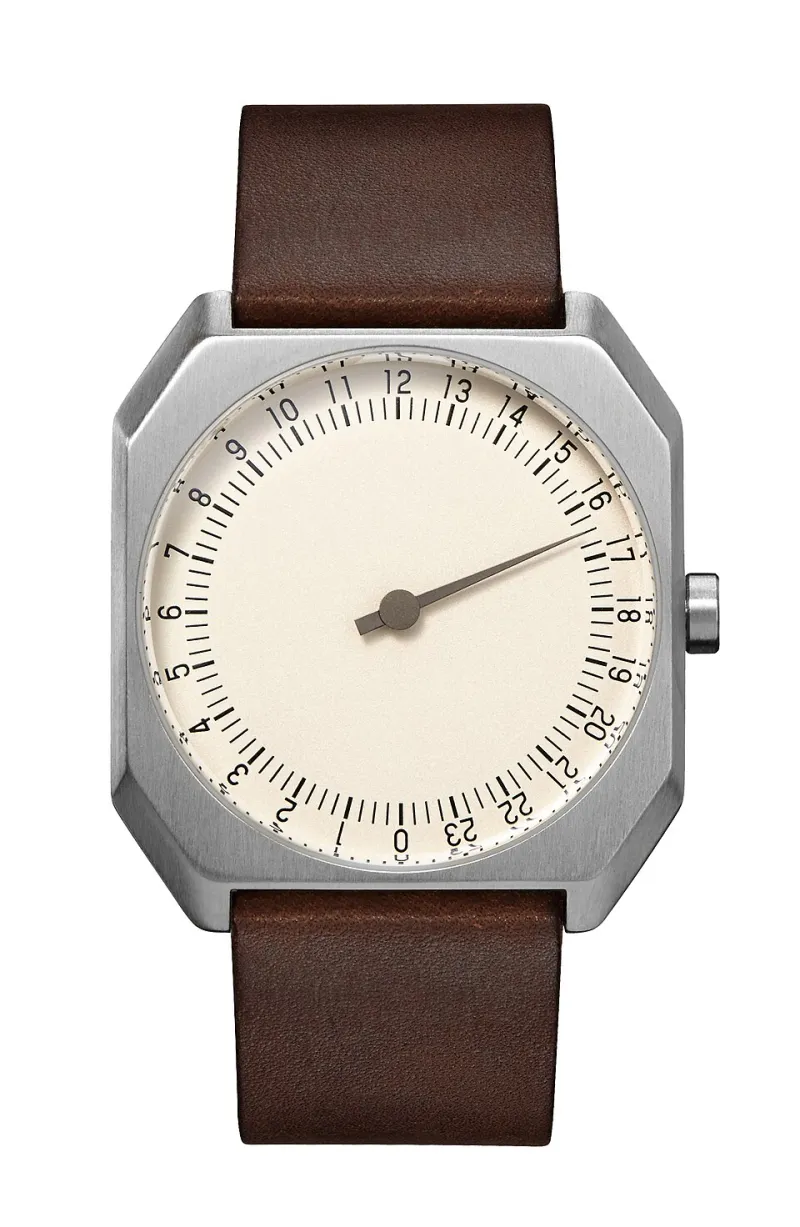
Photo: Shackomat, CC BY-SA 4.0, via Wikimedia Commons
Not long ago, American cities ran a second heartbeat. Diners glowed on highway exits, laundromats hummed past dawn, and bowling alleys kept their lanes oiled until sunrise for the leagues nobody remembers founding. Then the pandemic arrived, and when everything reopened, hours quietly didn't. The 24-hour diner became a 24-hour diner on weekends. The 24-hour laundromat's door now locks at 11. Whole categories of the night simply clocked out.
But not everywhere. In pockets across the country, a handful of true round-the-clock institutions survive — and they tell you more about the real America at 3 a.m. than any travel guide ever will. Consider this both a field guide and, admittedly, an obituary in progress.
The Diner That Outlasted Everything
Start in Las Vegas, where the Midnight Shift diner — a fictional stand-in for the dozens of real ones like it — has served eggs at every hour since 1978. The owner, a second-generation Greek-American named Nick, explains the math without sentiment: "Casinos never closed, so somebody had to feed the dealers, the cleaners, the cocktail waitresses. We just never saw a reason to start."
Post-pandemic, Nick cut from 60 seats to 40 and works the counter himself most nights. His regulars are nurses coming off shift, airport crews, and the drifters of the night economy — rideshare drivers grabbing coffee between fares. "The daytime crowd tips better," he shrugs. "The nighttime crowd is better company."
In New York, a few legendary soup-and-sandwich institutions still technically never close, though even they've flirted with reduced hours. In Chicago, truck stops along the Stevenson keep the flame in a way the neighborhood diner increasingly can't. The pattern is national: the all-night diner isn't dead, but it's been pushed to the edges — highways, hospital districts, casino floors.
The Laundromat as Town Hall
The 24-hour laundromat may be the least romantic and most essential survivor on this list. In Houston, in Phoenix, in the boroughs of New York, the fluorescent-lit wash-and-fold at 4 a.m. serves exactly the people you'd expect: hospital staff, bartenders, parents with infants who don't respect business hours.
Spend an hour in one and you'll notice something the daytime crowd never sees. People talk. There's no rush, nowhere else to be, and a shared understanding that everyone here has somewhere better to be asleep. Regulars describe it as "the cheapest therapy in the city" — a folding table, a stranger, and forty minutes of nothing to do.
Many of these spots survive because the owners live upstairs or run several locations on shared staff. When you meet one, the story is usually the same: margins are thin, machines are expensive, and closing at night would save money — but the night crew needs this. So the lights stay on.
Gutter Lights On: Bowling Past Bedtime
The 24-hour bowling alley is the rarest bird of all. A few holdouts persist in the Midwest and the Sun Belt — often attached to truck plazas or casinos — and they operate on a beautiful logic: lanes are already built, staff is already there, so why stop?
At 2 a.m. the scene is its own subculture. Third-shift leagues. Birthday parties that migrated from earlier venues. A man in work boots rolling a 190 in silence. The snack bar serves nachos with the conviction of a Michelin kitchen, and nobody judges your form because nobody's awake enough to see it.
Why This Matters More Than Nostalgia
It's tempting to file all this under nostalgia — a warm glow for people who miss the before-times. But the shrinking of overnight America is a real cultural loss with real consequences. Night-shift workers, roughly 15 million strong, increasingly have nowhere to eat, wash, or decompress. Sociologists call the resulting isolation "temporal exile": living on a schedule the rest of society has opted out of.
The places on this list are infrastructure as much as business. They're where the night shift becomes a community instead of a shift.
How to Visit (Responsibly)
If you go — and you should — a few rules of the road. Tip like it's daytime, because the same service is happening. Order something, don't just occupy a booth. Learn one regular's name. And when the owner mentions that they might cut hours soon, don't just nod sadly. Become the reason they don't.
The neon graveyards are filling up fast. The ones still breathing deserve more than our fondness. They deserve our presence — at 2 a.m., in a vinyl booth, under lights that never learned how to turn off.