No Address, No Flyer, No Last Call: A Night Inside America's Word-of-Mouth Party Economy
Photo: Dietmar Rabich, CC BY-SA 4.0, via Wikimedia Commons
The text comes in at 2:47 a.m., which is how these things always arrive: too late to plan, too early to give up. A neighborhood abbreviation, an hour, and a single emoji that means nothing to anyone outside the thread. Twenty minutes later I'm in the back seat of a rideshare heading toward an address that isn't an address — a corner, really, near a shuttered print shop on the edge of downtown, where a guy in a puffer jacket is checking names against a phone screen.
This is how the after-hours scene works in most American cities. Not with flyers or listings, but with a chain of texts older than the internet itself: someone knows someone, and if you're cool about it, you can know them too.
The Geography of After
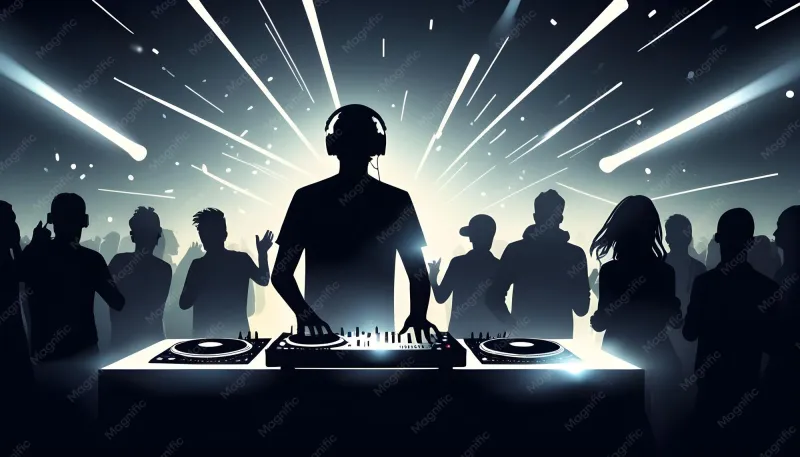
Over the following weeks, I collect a small atlas. A loft above a furniture warehouse in Detroit where the DJ plays until the windows go gold. A diner's back room in Reno, where the regulars filter in after their shifts and the music is whatever's on the jukebox. A warehouse hangout in Brooklyn that technically doesn't exist, with a donation bucket at the door and a coat check run by a woman who remembers everyone's name.
What they share is timing. These places begin precisely when the legal ones end. They are, in a sense, the shadow cast by last call — the two or three hours of demand that American liquor laws create and then refuse to serve.
The Romance and the Fine Print
I want to be honest about why these nights are appealing, because they genuinely are. There's a feeling in an unlicensed room at 4 a.m. that licensed venues spend fortunes trying to fake: the sense of having been let in on something. No bouncers performing authority, no bottle-service theater. Just a room that exists because people wanted it to.
But the fine print is real, and it deserves the same airtime as the romance. No liquor license means no insurance, no fire inspection, no trained security. If something goes wrong — a fight, a fire, a bad reaction to something in a drink — there is no system to catch you. The organizers I spoke with know this. One Detroit host told me she caps her parties at sixty people and hires off-duty medics anyway, "because the law isn't coming to help anyone here." Not everyone is that careful.
Does the Night Have to End?
The question underneath all of this is whether the after-hours scene is a loophole or a signal. Cities like New York have floated later closing times for years; nothing changes. So the gap persists, and people fill it — some carefully, some recklessly.
At 5:15 a.m. in that Brooklyn warehouse, the lights came up unceremoniously and everyone did the same thing: squinted, checked phones, and drifted toward the bagel places just opening on the avenue. Standing in that line, still ringing with music, I realized the after-hours scene isn't really trying to make the night endless. It's just refusing to let the city decide when it's over.
That's a lovely idea. Whether it's a sustainable one — for the people hosting, the neighborhoods absorbing the noise, the guests with no safety net — is the question nobody in the room was asking at 4 a.m. But somebody should, before the next text comes in.