Bread Before Sunrise: Inside the Lives of America's Third Shift
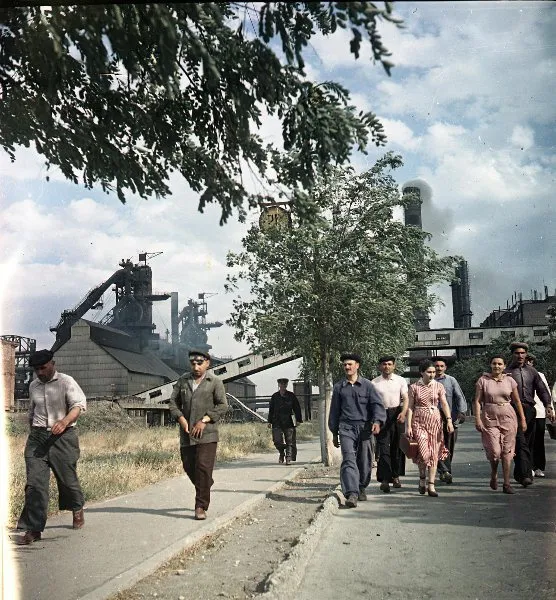
Photo: Vsevold Tarasyevich, CC BY-SA 4.0, via Wikimedia Commons
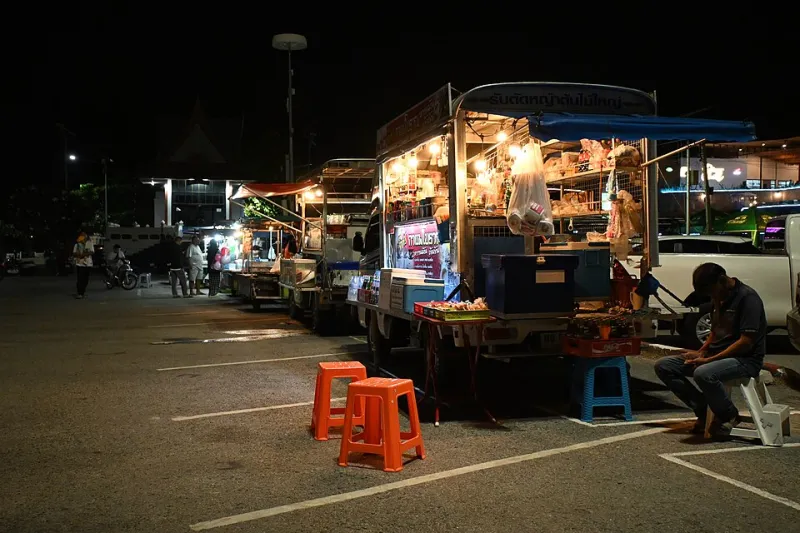
There's a moment around 3 a.m. when the city feels abandoned. The traffic lights blink yellow for no one. The bodegas in Brooklyn, the taquerias in East LA, the gas stations off I-75 — they're lit like aquariums, glowing with a handful of people inside who have somewhere to be.
I spent the last few months talking to those people. Not about their jobs, exactly, but about their lives — because if you work the third shift long enough, the job stops being something you do and becomes something you are.
The Baker Who's Never Eaten Breakfast
Ray drives a delivery truck out of a commercial bakery in Newark, and his day starts when yours ends. "I punch in at eleven," he told me, backing pallets of rolls toward the loading dock. "By the time the sun's up, I've already worked a full shift and most people are just getting out of bed."
Ray hasn't eaten breakfast in eleven years. "What's breakfast?" he laughed. "I eat dinner at like four in the afternoon. My body clock is upside down."
He's not joking about the health toll, either. Researchers have been documenting the effects of shift work for decades — disrupted circadian rhythms, higher rates of hypertension, the slow erosion of a normal social calendar. But the numbers don't capture the loneliness of it. Ray's wife works days. They pass each other in the hallway like ships at shift change. "We call it tag-team marriage," he said. "We've been tagging for twenty years."
The Dispatcher Who Knows the City by Sound
In a windowless room in Columbus, Ohio, Marge answers 911 calls from midnight to eight. She's worked nights for so long that she maps the city by audio — the freight trains that rumble past the east side, the bar crowd noise that spikes around closing time, the particular quality of silence that means a storm is rolling in.
"People think the night is quiet," she said. "It's not quiet. It's just a different kind of loud."
Marge talks about the 2 a.m. calls differently than the daytime ones. "At night, people are alone with whatever they're carrying. Daytime callers have someone next to them. Night callers, a lot of times, I'm the only voice they're going to hear."
She takes pride in that. But she also admits she's missed every wedding of her nieces and nephews that started before noon. "You develop a family at work," she said. "Because your real family is asleep."
The Guard Who Watches Over Empty Floors
Dwayne patrols an office tower in downtown Dallas that empties out at six and doesn't refill until morning. Eight hours, twelve floors, one flashlight. He's read more books in that building than most people read in a decade.
"People ask me if it's boring," he said. "Boring is a choice. I know every sound this building makes. I know which elevator door sticks on seven. It's my building at night. Daytime, it belongs to the company. Nighttime, it's mine."
That sense of ownership came up again and again in my conversations. Night workers don't just endure the dark hours — many of them claim them. There's a quiet sovereignty in being the only person awake in a space built for thousands.
What the Sleeping City Owes
Here's the thing that stayed with me after all these conversations: every comfort of daytime life is manufactured, delivered, guarded, or healed at night. The bread at your corner store was baked while you slept. The hospital didn't close. The trucks rolled. The calls got answered.
We call it the graveyard shift, which says a lot about how we think about it — a shift for the buried, the forgotten. But maybe the better name is the foundation shift. Because the city that wakes up every morning is standing on the work of the people who never went to sleep.
So the next time you're out at 2 a.m. — leaving a bar, catching a red-eye, pacing a hospital corridor — look for the lit windows. Somebody's in there. Say hey if you get the chance. They've been holding the night for you.