Tailgate Ethics: The Unwritten Rules of America's Parking Lot After-Party

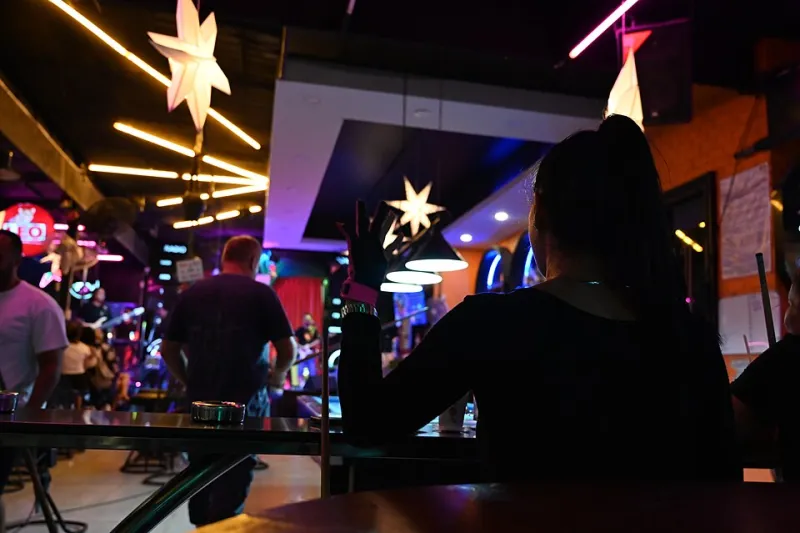
Photo by Photo by Erik Mclean on Unsplash on Unsplash
The Second Venue
There's a moment around 1:47 a.m. when the bartender starts stacking chairs and the crowd spills out the front door like water finding a crack in the dam. The naive observer — the designated driver, the out-of-towner, the person who still believes nights have endings — assumes this is it. Goodnight. Drive safe.
But we all know better. The night doesn't end at last call. It just changes parking spots.
Stand outside almost any bar, club, or house party in America on a weekend and watch what happens. People don't disperse. They cluster. Someone's truck is already backed into a space with the tailgate down. A cooler appears from somewhere, the way coolers always do, as if summoned. Someone's cousin runs a Bluetooth speaker from the driver's seat, and suddenly the parking lot under the sodium lights has better energy than anything happening inside for the last two hours.
The parking lot is the venue now. The bar was just the opening act.
Field Notes From the Asphalt
I've been attending these lot sessions for the better part of a decade, from the gravel pull-offs outside dive bars in Ohio to the structured decks of Los Angeles apartment buildings where someone's always worried about the noise complaint. And I can report that they run on a code nobody wrote down but everybody knows.
Rule one: the tailgate belongs to whoever brought the cooler, but seating is communal. You don't ask. You just sit, and you contribute — a bag of gas station peanuts, a story, a playlist vote.
Rule two: the volume exists in negotiation with the building. Every lot party has an invisible decibel ceiling, and everyone knows roughly where it is. When someone laughs too loud at 2:15, there's a collective wince, a shush that travels the circle like a wave at a stadium.
Rule three — and this is the sacred one — the lot is where the honest conversations happen. Inside the bar, everyone performs. Outside, with the fluorescent hum and the cold air and no line for the bathroom, people talk about the divorce, the job they're scared to quit, the person they've been texting and pretending not to care about. I've had three a.m. parking lot conversations that did more emotional repair than years of brunch debriefs.
The Gatekeeper
Not everyone tolerates this, of course. Marcus, who has worked security at a midsize music venue in Richmond for eleven years, told me he thinks of the lot crowd as "the second shift of my job."
"Inside, I'm checking IDs," he said. "Outside, I'm basically a parks department. I'm managing a public space that doesn't officially exist."
His philosophy is pragmatic: as long as nobody's driving drunk, nobody's breaking glass, and the crowd thins out by a reasonable hour, he lets it ride. "Those people spent money inside," he shrugged. "The lot is their green room. Sometimes I pull up a chair."
City officials are less romantic. Across the country, parking lot gatherings have become a low-grade zoning headache — noise ordinances, liability worries, complaints from the condo association that went up next to the bar in 2019. Some cities have responded with stricter lot-closure rules after closing time. The gatherings just migrate again, to the gas station, the Waffle House lot, the dead-end road with the good view of the water tower.
You cannot legislate the hang. The hang finds a way.
Why the Lot Wins
I've thought a lot about why this ritual persists when everything about it is technically worse than being inside. The seating is a curb. The climate control is a hoodie. The bathroom situation is, generously, a problem.
But that's exactly the point. The parking lot strips the night down to its essentials: light, warmth, company. There's no cover charge, no dress code, no one deciding if you're on the list. The truck bed doesn't care what you're wearing. The speaker plays whatever the group agrees on, which means the lot is one of the last truly democratic rooms in American nightlife.
There's also the fact that it's free. In an era when a round of drinks costs as much as a utility bill, the lot after-party is a reminder that the best part of the night was never the venue. It was the people who didn't want to leave yet — including you.
So next time the lights come up and the crowd funnels toward the doors, don't say goodnight too fast. Follow the sound of the speaker. There's a folding chair out there with your name on it, and somebody's about to tell the story they couldn't tell inside.
The bar is over. The lot is just getting started.